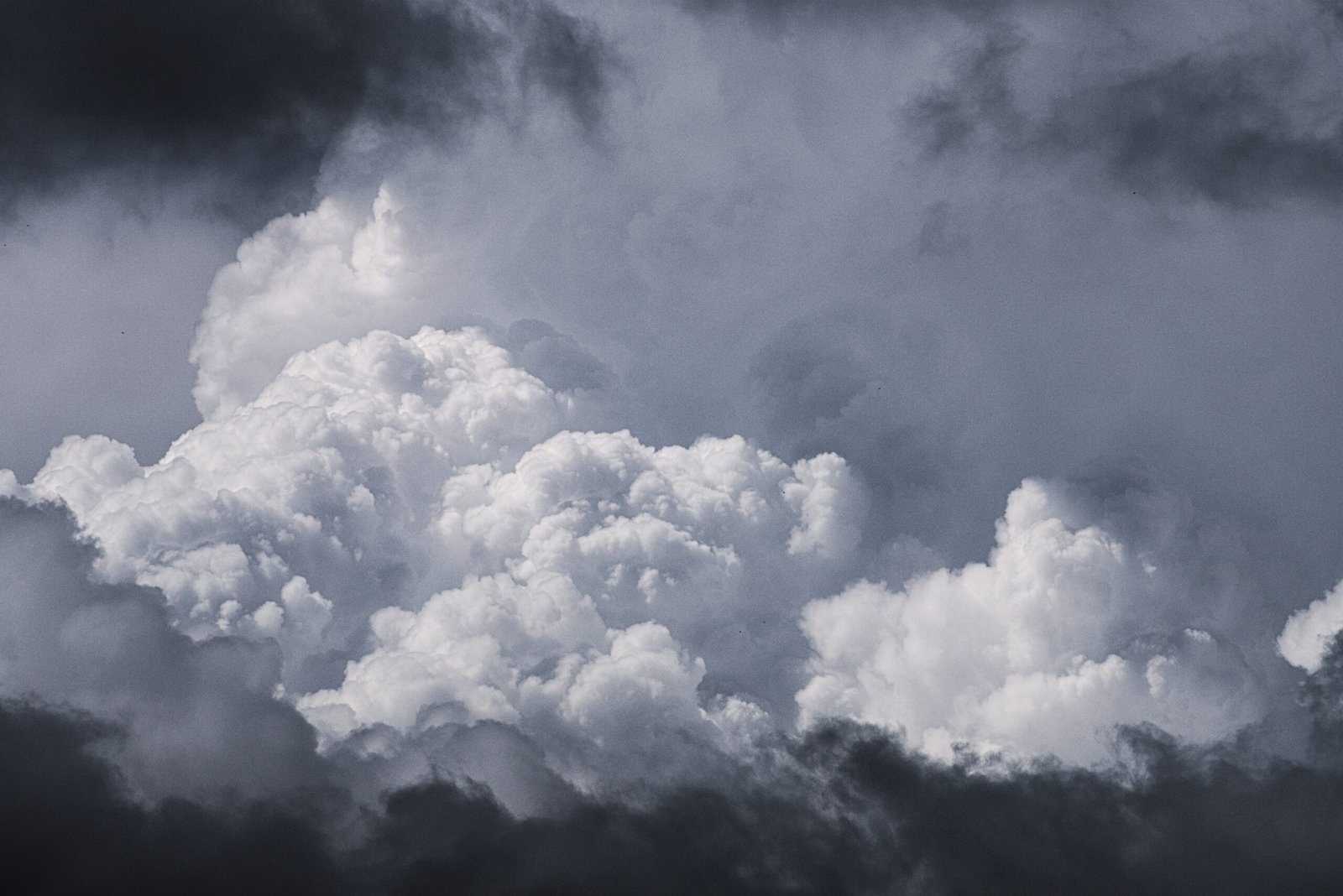
Storm photography sits at the intersection of beauty and danger. Few subjects in photography deliver the same emotional punch as a dark sky rolling in, lightning cracking across the horizon, or rain sweeping across a landscape in dramatic sheets. These moments feel alive, unpredictable, and powerful—and when captured well, they can produce some of the most striking images in a photographer’s portfolio.
But here’s the truth that often gets overlooked: storms don’t care about your camera. They don’t wait for you to get the perfect angle, and they certainly don’t offer second chances if you take unnecessary risks. The key to capturing dramatic storm photos is not just technical skill or artistic vision—it’s knowing how to balance opportunity with safety.
Understanding that balance is what separates a smart storm photographer from a reckless one.
The Allure of Storm Photography
There’s something deeply instinctive about our fascination with storms. Long before cameras existed, people were captivated by thunder, lightning, and the shifting skies that signaled change. As photographers, we’re drawn to that same energy.
Storms create natural contrast in a way that’s almost impossible to replicate. Dark clouds build tension, light breaks through in dramatic rays, and the landscape transforms minute by minute. Even a familiar location can look completely different under storm conditions.
The most compelling storm photos often tell a story. A lone tree bending in the wind, a city skyline under a wall of rain, or a quiet lake reflecting an approaching thunderhead—these images capture a moment of transition. They feel dynamic, almost cinematic, like a scene frozen from a much larger narrative.
But to tell that story effectively, you need to be in the right place at the right time—and that requires preparation.
Planning Before the Storm Hits
Great storm photography rarely happens by accident. While you can occasionally get lucky, the most powerful images usually come from photographers who understand how storms develop and where they’re likely to appear.
Paying attention to weather forecasts becomes part of your creative process. Watching radar patterns, tracking storm systems, and learning how different cloud formations behave will give you a huge advantage. Over time, you’ll start to recognize when conditions are lining up for something visually special.
In regions like Southern Ontario, for example, summer thunderstorms often build in the afternoon and evening, especially on humid days. Knowing this allows you to plan your shoot window ahead of time rather than scrambling when the sky suddenly darkens.
Location matters just as much as timing. Open landscapes, elevated viewpoints, and areas with wide horizons tend to produce more dramatic compositions. You want space for the sky to dominate the frame, because in storm photography, the sky is the main character.
At the same time, always think about your exit route. Before you even set up your camera, you should know exactly where you can go if conditions worsen quickly.
Safety Comes First—Always
This is where storm photography becomes fundamentally different from most other types of shooting. You are working in an environment that can become dangerous very quickly.
Lightning is the most obvious risk, and it should never be underestimated. If you can hear thunder, you are already within striking distance. That’s not a guideline—it’s a reality. No photo is worth putting yourself in harm’s way.
Positioning yourself inside a vehicle can be one of the safest options when shooting storms. A car acts as a Faraday cage, helping to protect you from lightning strikes while still allowing you to capture images through a window or slightly open door.
Avoid open fields, hilltops, isolated trees, and bodies of water during active lightning. These are all high-risk areas that increase your chances of being struck. It might feel like the perfect composition, but it’s not worth it.
Wind is another factor that often gets overlooked. Strong gusts can knock over tripods, send debris flying, or even destabilize your footing. Rain can reduce visibility and damage your gear if you’re not prepared.
The smartest storm photographers are the ones who know when to walk away. If conditions escalate beyond what feels controlled, pack up and leave. There will always be another storm.
Capturing the Drama of the Sky
Once you’ve positioned yourself safely, your focus shifts to composition and timing. Storm photography is all about capturing atmosphere, and that starts with how you frame the sky.
Large, imposing cloud formations—especially cumulonimbus clouds—are your best friends here. These towering structures create natural drama and scale, especially when paired with a grounded foreground element like a road, building, or tree line.
Including foreground interest helps anchor the image. Without it, even the most dramatic sky can feel flat. A simple silhouette or leading line can guide the viewer’s eye and give context to the storm above.
Light plays a critical role as well. Some of the most compelling storm images happen at the edges of a storm, where sunlight breaks through gaps in the clouds. This creates contrast between light and dark, adding depth and intensity to your photo.
Pay attention to direction. Shooting toward the storm often emphasizes its scale, while shooting away from it can capture dramatic lighting effects on the landscape. Both approaches can work—it just depends on the story you want to tell.
Photographing Lightning
Lightning photography is one of the most exciting—and challenging—forms of storm photography. It requires patience, timing, and a bit of luck.
Unlike most subjects, you can’t predict exactly when lightning will strike. Instead, you prepare your camera to capture it when it happens. This typically involves using longer exposures, allowing the sensor to record light over time.
A tripod becomes essential here. Handholding a camera during long exposures simply won’t produce sharp results. Stability is key, especially in windy conditions.
Keeping your camera steady and pointed at an active area of the storm increases your chances of capturing a strike. Some photographers use interval shooting or remote triggers to continuously take exposures, improving the odds of catching lightning at just the right moment.
There’s also a balance to consider. Exposures that are too long can wash out the image, especially if there’s ambient light from cities or the moon. Too short, and you might miss the strike entirely.
Over time, you’ll develop a feel for this rhythm. It’s part technical skill, part instinct—and part patience.
Protecting Your Gear in Harsh Conditions
Storms don’t just challenge you—they challenge your equipment as well. Rain, humidity, and wind can all take a toll on your camera gear if you’re not prepared.
Weather-sealed cameras and lenses offer some protection, but they’re not invincible. Even with sealed gear, prolonged exposure to heavy rain can cause issues.
Simple precautions can go a long way. Using a rain cover, even a basic one, helps shield your camera from direct exposure. Keeping a microfiber cloth handy allows you to wipe off water droplets quickly before they affect your shots.
Lens choice matters too. A versatile zoom lens lets you adjust framing without constantly changing lenses in wet conditions, reducing the risk of moisture entering your camera body.
And always, always dry your gear thoroughly after a shoot. Moisture can linger in places you don’t see, leading to long-term damage if left unchecked.
Timing Is Everything
Some of the best storm photos don’t happen at the peak of the storm—they happen just before or just after.
The buildup phase often features dramatic cloud formations and shifting light, while the trailing edge can produce incredible color as the sun re-emerges. These moments are not only visually stunning but also generally safer to shoot.
Sunset combined with storm conditions can be especially powerful. The warm tones of the setting sun contrast beautifully with dark storm clouds, creating images that feel almost surreal.
Learning to anticipate these moments takes practice. The more time you spend observing storms, the better you’ll become at recognizing when conditions are about to peak visually.
Developing Your Storm Photography Style
Like any form of photography, storm shooting is not just about capturing what you see—it’s about how you interpret it.
Some photographers lean toward high-contrast, dramatic edits that emphasize the intensity of the storm. Others prefer a more natural look, focusing on subtle tones and realism. There’s no single “right” approach.
What matters is consistency. As you build your portfolio, you’ll start to notice patterns in what you’re drawn to—certain compositions, lighting conditions, or moods. Lean into those preferences.
Storm photography offers endless variety. No two storms are ever the same, which means you’ll always have new opportunities to experiment and refine your style.
Respect the Storm
At its core, storm photography is about respect. Respect for nature, respect for the risks involved, and respect for your own limits.
The most compelling images come from photographers who understand that they are observers, not participants. You are there to document the storm, not challenge it.
When approached with the right mindset, storm photography becomes incredibly rewarding. It sharpens your awareness, improves your timing, and pushes you creatively in ways that few other subjects can.
And when everything comes together—the light, the clouds, the atmosphere—you’ll capture something truly unforgettable.
Final Thoughts
Capturing dramatic storm photos is one of the most exhilarating experiences a photographer can have. The energy, unpredictability, and sheer visual power of storms create opportunities for images that are both striking and deeply emotional.
But none of that matters if safety is ignored.
By planning ahead, understanding weather patterns, choosing smart locations, and knowing when to step back, you can photograph storms in a way that is both effective and responsible.
In the end, the goal isn’t just to capture the storm—it’s to walk away from it, camera in hand, ready for the next one.