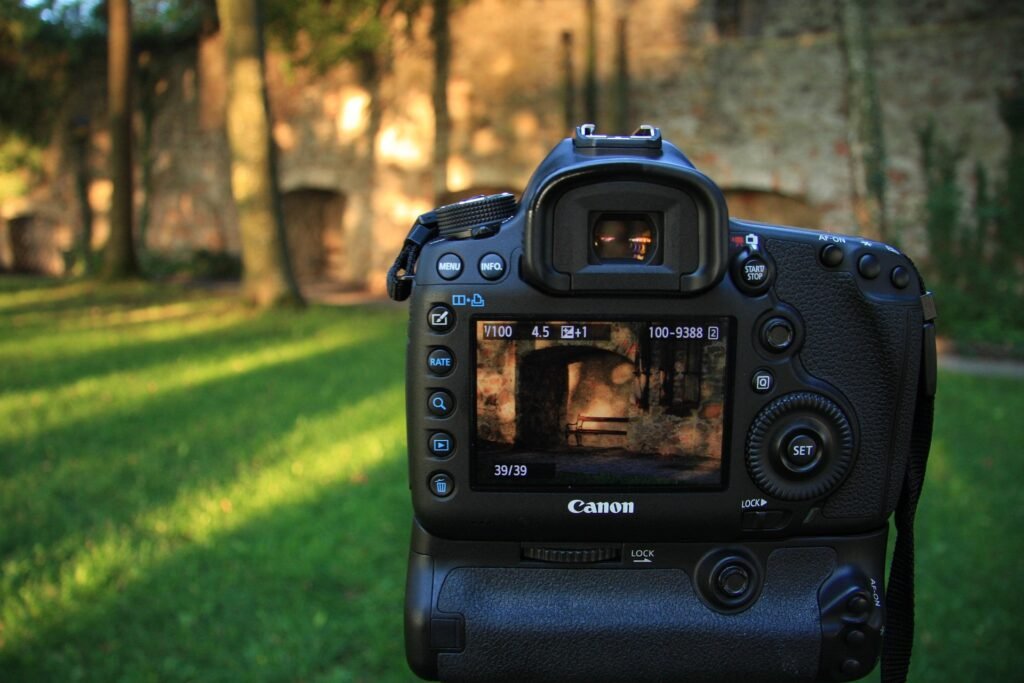
Understanding exposure is one of the most important steps in becoming a confident photographer, and at the heart of exposure lies a system that many beginners overlook: metering. Your camera’s metering mode determines how it reads light in a scene, and ultimately, how it decides what a “proper” exposure should be.
If you’ve ever taken a photo that looked too dark, too bright, or just not quite right—even though your settings seemed correct—there’s a good chance your metering mode played a role. Learning how metering works and when to use each mode can dramatically improve your consistency and control behind the camera.
At first glance, metering modes might seem technical or even unnecessary. But once you understand the basics, they become one of the most powerful tools in your photography toolkit.
What Is Metering and Why It Matters
Every modern camera has a built-in light meter. This meter analyzes the brightness of a scene and suggests exposure settings—either automatically or as a guide when you’re shooting in manual mode.
The challenge is that your camera doesn’t actually “see” the scene the way you do. It doesn’t understand that a snowy landscape should look bright or that a night scene should remain dark. Instead, it tries to balance everything toward a neutral middle tone, often referred to as “middle gray.”
Because of this, your camera can sometimes make decisions that don’t match your creative intent. A bright snowy scene may be underexposed, turning white snow into a dull gray. A dark subject might be overexposed, losing its depth and mood.
This is where metering modes come in. They control how your camera measures light, allowing you to guide its decision-making process.
Evaluative (Matrix) Metering: The All-Purpose Choice
Evaluative metering—also called matrix metering depending on your camera brand—is the most commonly used mode, and for good reason. It analyzes the entire scene, dividing it into multiple zones and evaluating brightness, contrast, and even focus points to determine the best overall exposure.
For most situations, this mode does an excellent job. Landscapes, street photography, travel shots—evaluative metering is designed to handle a wide range of lighting conditions with minimal input from the photographer.
What makes it powerful is its ability to interpret complex scenes. It doesn’t just average light; it uses built-in algorithms to make educated guesses about what you’re photographing. Modern cameras have become incredibly good at this, often delivering accurate exposures even in tricky lighting.
That said, it’s not perfect. In scenes with extreme contrast—like a bright sky and a dark foreground—it may struggle to balance both areas correctly. This is where understanding other metering modes becomes important.
Center-Weighted Metering: Prioritizing the Subject
Center-weighted metering takes a more focused approach. Instead of analyzing the entire frame equally, it places greater importance on the center of the image while still considering the surrounding areas.
This mode is particularly useful when your subject is centrally positioned, which is common in portraits or casual photography. It gives you more control than evaluative metering without requiring the precision of spot metering.
Think of it as a middle ground. You’re telling the camera, “Pay attention to the whole scene—but focus more on what’s in the center.” This can help prevent exposure issues when the background is significantly brighter or darker than your subject.
For example, if you’re photographing a person standing in front of a bright window, center-weighted metering will prioritize the subject’s exposure more than the background, helping avoid silhouettes.
Spot Metering: Precision Control
Spot metering is where things get really interesting. Instead of analyzing the entire scene, this mode measures light from a very small area—often just a few percent of the frame.
This gives you precise control over exposure, but it also requires a bit more intention. You’re essentially telling your camera exactly what part of the scene should be exposed correctly.
This mode shines in high-contrast situations. Imagine photographing a bird against a bright sky or a performer on a dark stage under a spotlight. Evaluative metering might get confused, but spot metering allows you to expose specifically for your subject.
The key is knowing what you’re metering. If you meter a very bright area, your camera will darken the image. If you meter a dark area, it will brighten it. Understanding this relationship is crucial to using spot metering effectively.
Once mastered, it becomes one of the most powerful tools for creative control.
Partial Metering: A Balanced Alternative
Some cameras offer a fourth option called partial metering. This mode measures a slightly larger area than spot metering but still focuses on a limited portion of the frame, usually near the center. Not all brands offer this option, as similar results can often be achieved using spot or advanced evaluative metering.
It’s often used in situations where spot metering feels too precise, but center-weighted metering isn’t selective enough. Think of it as a compromise between the two.
While not as commonly used as the other modes, it can be incredibly helpful in situations with moderate contrast, where you want more control without committing to pinpoint accuracy.
Choosing the Right Metering Mode
The best metering mode depends entirely on the scene you’re photographing and the result you want to achieve. There’s no universal “correct” choice—only the one that best fits the situation.
For everyday shooting, evaluative metering is usually the safest option. It’s reliable, adaptable, and works well in most lighting conditions. As you gain experience, you’ll start to recognize when it falls short and when another mode might serve you better.
Center-weighted metering becomes useful when your subject is clearly defined and positioned near the center of the frame. It offers a bit more control without adding complexity.
Spot metering is ideal for challenging lighting conditions, especially when your subject is much brighter or darker than its surroundings. It requires more thought, but the results can be dramatically more accurate.
Over time, switching between metering modes becomes second nature. You’ll start to anticipate how your camera will interpret a scene and adjust accordingly before even taking the shot.
Metering and Creative Control
One of the most important things to understand about metering is that it’s not just about technical accuracy—it’s about creative intent.
Sometimes, you don’t want a “perfect” exposure. You might want a silhouette, a moody shadow, or a bright, high-key image. Metering modes help you achieve these effects by giving you control over how light is interpreted.
Pairing metering with exposure compensation or manual adjustments allows you to fine-tune your results even further. Instead of fighting your camera, you begin working with it.
This is the moment when photography starts to feel less like guesswork and more like a deliberate, creative process.
Final Thoughts
Metering modes may not be the most glamorous part of photography, but they are essential. They influence every image you take, whether you realize it or not.
By understanding how each mode works—evaluative, center-weighted, spot, and partial—you gain the ability to control exposure with confidence. You stop relying entirely on automatic decisions and start making intentional choices based on the scene in front of you.
And that’s what separates casual shooting from thoughtful photography.
The more you practice, the more intuitive metering becomes. Before long, you won’t just be reacting to light—you’ll be shaping it to match your vision.