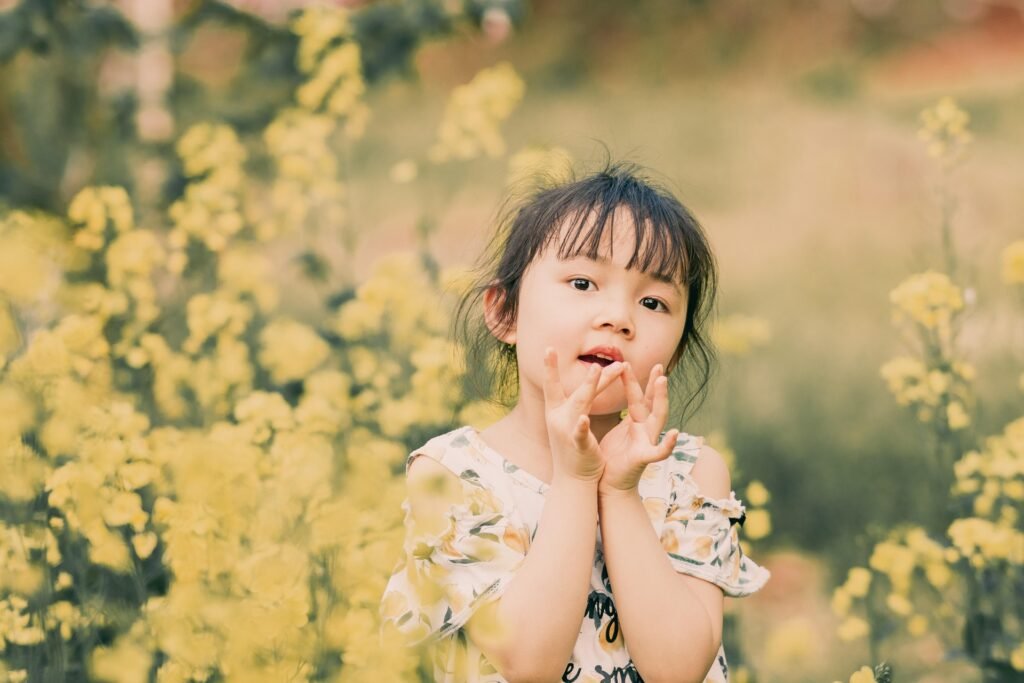
It’s the delicate play of light and shadow, the subtle expressions, and the unique connection between photographer and subject that truly captures the essence of portrait photography. In this article, we delve into the imperative tips and techniques to help you elevate your portrait photography skills to the next level. From mastering composition and framing to harnessing natural light and creating a comfortable atmosphere for your subjects, these insights will empower you to create stunning and captivating portraits that resonate with emotion and depth. Let’s launch on this journey to unlock the secrets of mastering portrait photography with precision and artistry.
Setting the Stage
How Important It Is to Choose Your Setting
One of the most crucial aspects of portrait photography is selecting the right setting for your subject. The location you choose can dramatically impact the mood, theme, and overall feel of the portrait. Whether you opt for a natural outdoor setting, a studio with controlled lighting, or a unique urban backdrop, your choice plays a significant role in the success of your portraits.
Choosing Your Background
Your background serves as a canvas for your subject, influencing the composition and visual impact of your portrait. When choosing a background, consider factors such as color, texture, and relevance to the subject. A cluttered or distracting background can take away from the focus on your subject, while a simple, clean backdrop can enhance their presence and make them stand out.
Lighting Essentials
The Importance of Natural Lighting
Portrait photographers must understand the importance of natural lighting. Natural light can create beautiful, soft, and flattering light for your subjects. The quality of natural light can vary depending on the time of day and weather conditions, so it’s crucial to pay attention to these factors when shooting outdoors.
Using Fill Light and Reflectors
To enhance your portraits, using fill light and reflectors can be incredibly beneficial. Fill light helps to fill in shadows and balance the overall lighting in your images, while reflectors bounce light back onto your subject, creating a more even and flattering light. These tools are especially useful when shooting in harsh lighting conditions or when you want to add a touch of brightness to your subject’s face.
For instance, you can use a reflector to bounce light onto your subject’s face when shooting in bright sunlight to avoid harsh shadows. Alternatively, using a fill light can help illuminate the dark areas of your subject’s face when shooting in low light conditions.
Studio Lighting Techniques
On the other hand, mastering studio lighting techniques is crucial for portrait photographers who want full control over their lighting setup. Studio lighting allows you to create a variety of looks and moods in your portraits by manipulating the direction, intensity, and quality of light. Whether you prefer soft, diffused light for a romantic portrait or dramatic, directional light for a more intense look, studio lighting can help you achieve your desired outcome.
Lighting setups in the studio can include various types of lighting equipment such as strobes, softboxes, umbrellas, and reflectors. Understanding how to position and adjust these lights to flatter your subject’s features is key to creating stunning portraits in a controlled environment.
Lens and Focus Fundamentals
All great portrait photographers understand the importance of lenses and focus in creating stunning portraits. Whether you are a beginner or a seasoned pro, mastering the fundamentals of lenses and focus is crucial for capturing beautiful and compelling portraits.
What are the Best Lenses to Use for Portrait Photography and Why
Regarding portrait photography, the choice of lens can make a significant difference in the outcome of your images. The most commonly preferred lenses for portraits are prime lenses with focal lengths ranging from 85mm to 135mm. These lenses allow for a flattering compression and shallow depth of field, resulting in beautifully blurred backgrounds that make your subject stand out.
Where to Focus on Your Subject
Focus: Knowing where to focus on your subject is necessary for creating impactful portraits. For portrait photography, the general rule is to focus on the eyes as they are the most expressive and captivating part of a person’s face. By focusing on the eyes, you draw the viewer’s attention directly to the soul and emotions of your subject, creating a powerful connection through your photograph.
With proper focus on your subject’s eyes, you can ensure that your portraits have a strong focal point and convey depth and emotion. Experiment with different focus techniques and settings to achieve the desired effect and bring your portraits to life.
Mastering Camera Settings
Unlike landscape or street photography, portrait photography requires a different approach when it comes to camera settings. Mastering the right settings can make a significant difference in the outcome of your portraits, capturing the essence and emotion of your subject effectively.
What Settings are Best Used in Portraiture
An important camera setting to consider in portrait photography is the aperture. A wide aperture (small f-stop number) creates a shallow depth of field, blurring the background and bringing focus to the subject’s face. When shooting portraits, aim for a shallow depth of field to make your subject stand out.
Apertures, Shutter Speeds, and ISO Settings for Optimal Results
Shutter speed is crucial in portrait photography to freeze motion and avoid blur, especially when shooting in natural light or capturing candid moments. A general rule of thumb is to maintain a shutter speed of at least 1/125 to prevent handshake or subject movement. Pair this with a suitable aperture and ISO setting for optimal results.
Best results are achieved when using a low ISO setting to reduce noise in the image, along with a desirable aperture setting based on the look you wish to achieve.
Creative Use of Depth-of-Field to Enhance a Portrait
An effective way to enhance a portrait is the creative use of depth-of-field. By experimenting with different aperture settings, you can control how much of the image is in focus, drawing attention to specific facial features or expressions. Play by varying the depth-of-field to add a unique touch to your portraits.
Settings such as aperture play a significant role in enhancing the aesthetic appeal and storytelling in your portrait photography. Experiment with various settings to create captivating portraits that convey the emotions and personalities of your subject’s effectively.
As a reminder, mastering portrait photography requires a combination of technical skills, creativity, and attention to detail. By following these crucial tips, such as understanding lighting, composition, and connecting with your subject, you can elevate your portrait photography to the next level. Recall that practice makes perfect, so don’t be afraid to experiment and try new techniques to develop your own unique style.
Keep in mind that capturing a great portrait is about more than just taking a picture – it’s about telling a story and capturing the essence of your subject. By focusing on these key elements and continuously practicing and refining your craft, you will soon become a master of portrait photography. So, grab your camera, find your muse, and start capturing those unforgettable moments today!